

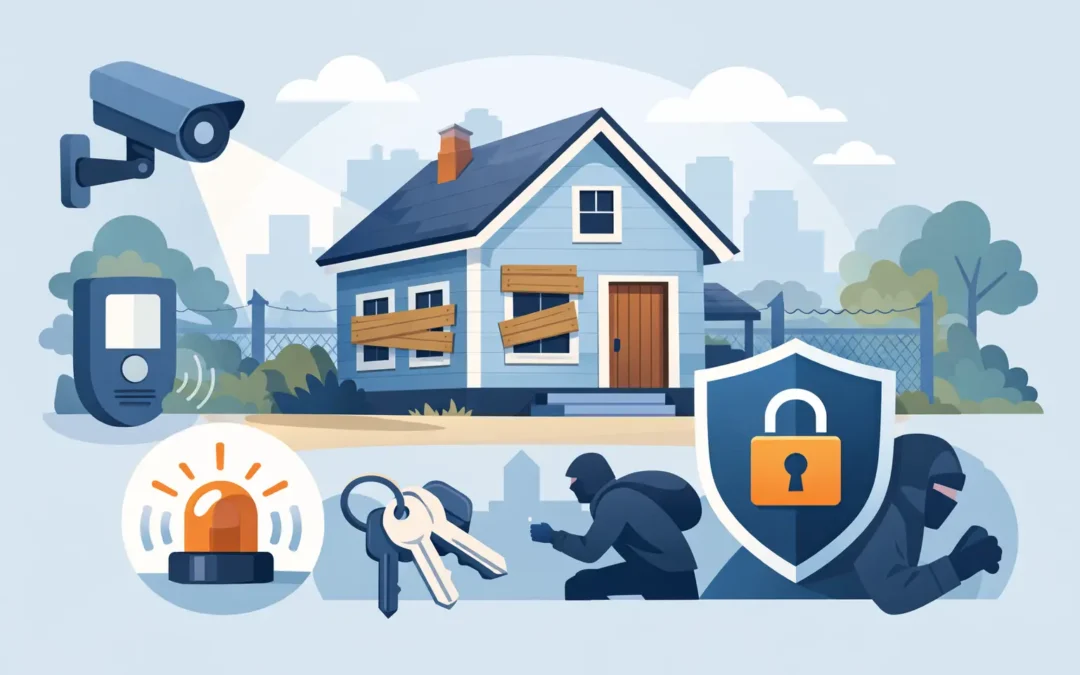
A vacant property can start attracting problems faster than most owners expect. A home between tenants, a storefront waiting on a new lease, or a house sitting empty during probate can quickly become a target for break-ins, vandalism, weather damage, and liability issues. If you are wondering how to protect a vacant property, the right approach is not complicated, but it does need to be consistent.
The biggest mistake owners make is treating an empty building like an occupied one. A vacant property has different risks. There is no daily activity, no one noticing a broken window right away, and no regular pattern that signals someone is present. That changes how you should think about security.
Why vacant properties are more vulnerable
An empty property stands out. Mail piles up, lights stay off, landscaping gets neglected, and small maintenance issues go unreported. For an opportunistic trespasser or thief, those are clear signals that nobody is paying close attention.
The risk is not limited to burglary. Vacant properties are also more likely to suffer from water leaks, HVAC failures, pest issues, and storm-related damage that gets worse because nobody is there to catch it early. In some cases, owners also face insurance problems if the property is vacant longer than their policy allows without updated coverage.
That is why protecting a vacant property means looking beyond locks alone. Good protection combines physical security, visibility, monitoring, and routine oversight.
How to protect a vacant property with the basics first
Start with the exterior. If the outside of the building looks ignored, it signals that the inside may be easy to access. Keep the lawn cut, remove flyers and mail, and make sure trash does not build up. For a small commercial property, keep entryways clean and windows clear. For a residential property, consider asking a neighbor or service provider to help maintain a lived-in appearance.
Next, secure every entry point, not just the front door. Check all doors, windows, side gates, basement access points, and garage doors. Reinforce weak locks, replace damaged frames, and make sure windows fully latch. If a sliding door is present, add a secondary bar or stopper so it cannot be forced open easily.
Lighting matters more than many owners realize. Motion-activated exterior lighting around doors, driveways, alleys, and back entrances can discourage someone from testing access points after dark. Timed interior lights can also help the property appear occupied. This will not stop every intruder, but it removes the easy advantage of darkness and predictability.
Use monitoring, not guesswork
If the property will be vacant for more than a short stretch, monitoring becomes one of the most practical upgrades you can make. Alarm systems, entry sensors, glass break detection, and security cameras give you a way to know what is happening without being on site every day.
This is where many property owners overcomplicate things. You do not need the most advanced system on the market to get meaningful protection. You need a setup that reliably covers the real risks. For most vacant homes and small commercial spaces, that means monitored intrusion detection, visible cameras at main access points, and mobile alerts that actually reach someone who can respond.
Visible cameras can be especially useful because they do two jobs at once. They may discourage casual trespassing, and they create a record if something does happen. Placement matters, though. Focus on doors, loading areas, driveways, front approaches, and any side or rear access where someone could enter without being seen from the street.
A monitored alarm adds another layer. Cameras can show you activity, but alarms can trigger faster action when a door opens unexpectedly or glass is broken. For owners who cannot check the property regularly, that can make a real difference.
Don’t ignore maintenance and utilities
Some of the most expensive vacant-property losses have nothing to do with crime. A slow plumbing leak, failed sump pump, frozen pipe, or electrical issue can turn into major damage if it sits undetected for days or weeks.
If possible, shut off or limit utilities that are not needed. In colder climates, winterizing the plumbing may make sense. In other cases, keeping basic utilities on is necessary for lighting, alarm systems, cameras, or climate control. The right choice depends on the season, the property type, and how long it will be empty.
It also helps to inspect the roof, gutters, doors, and windows before the vacancy period begins. A building with small existing problems becomes much harder to protect once it is empty. Water intrusion, loose fencing, or damaged exterior lighting should be fixed early rather than monitored while they get worse.
How often should someone check the property?
More often than many owners plan for. A vacant property should not be left entirely unattended for long stretches if that can be avoided. Even with cameras and alarms, regular in-person checks are still valuable.
A good rule is to have someone visit on a consistent schedule and vary the timing. That could be the owner, a property manager, a trusted neighbor, or a security provider. During each visit, they should check for signs of forced entry, water damage, utility issues, pest activity, and anything that suggests someone has been on site.
Routine checks also help support documentation. If there is an insurance claim later, having records of inspections, maintenance, and security measures can strengthen your position.
Make the property look active, not abandoned
One of the simplest ways to protect a vacant property is to reduce the visual signs of vacancy. You are not trying to fool a determined criminal into thinking a family is home every night. You are trying to avoid advertising that the building is an easy opportunity.
That means keeping exterior lights functional, maintaining the yard, clearing snow promptly, and removing notices from doors. If allowed and appropriate, a parked vehicle that is moved periodically can also help signal activity. For a commercial property, clear signage and clean storefront windows can make a big difference in whether the space appears managed or neglected.
There is a trade-off here. You do not want the property to look occupied if it creates mail overflow or package buildup. Pause deliveries, forward mail, and avoid anything that creates obvious evidence that no one is there to receive it.
Secure what is inside
If valuable equipment, appliances, tools, or inventory remain inside the property, the risk changes. Empty buildings are often targeted not because of the building itself, but because of what can be removed quickly.
Remove portable valuables whenever possible. If items must stay, store them out of plain view and document what remains on site. For small commercial spaces, that may mean relocating electronics, cash handling equipment, or sensitive records. For homes, it may mean removing firearms, jewelry, and anything easily carried out.
It is also wise to limit who has access. Re-key locks after tenants move out, collect garage remotes, reset keypad codes, and review who can enter the building. Old keys and unmonitored access are common weak points.
Insurance and local requirements matter too
Vacancy can affect insurance coverage, and many owners do not realize that until after a loss. Some policies reduce coverage or apply special conditions once a property has been vacant for a certain number of days. Before the building sits empty, check with your insurer and confirm what is required.
Local codes or lender requirements may also apply, especially for distressed properties, rentals, or commercial buildings. You may need to maintain landscaping, register the property, or meet certain safety standards. Security is stronger when it includes those practical details instead of focusing only on intrusion.
When professional help makes sense
Some owners can handle vacant-property protection with a few upgrades and regular check-ins. Others need a more structured plan. If the building is in a higher-risk area, will sit empty for months, or contains valuable assets, professional monitoring and security support are often worth it.
The goal is not to add complexity. It is to create a setup that is easy to manage and hard to ignore. For many owners, that means straightforward alarms, camera coverage, and dependable monitoring from a provider that keeps things clear. That is the kind of practical support businesses like Simple Security Solutions are built to offer.
A vacant property does not need a complicated security strategy. It needs attention, visible deterrents, reliable monitoring, and someone prepared to act when something changes. The sooner you put those pieces in place, the less likely the property is to become an easy target.