

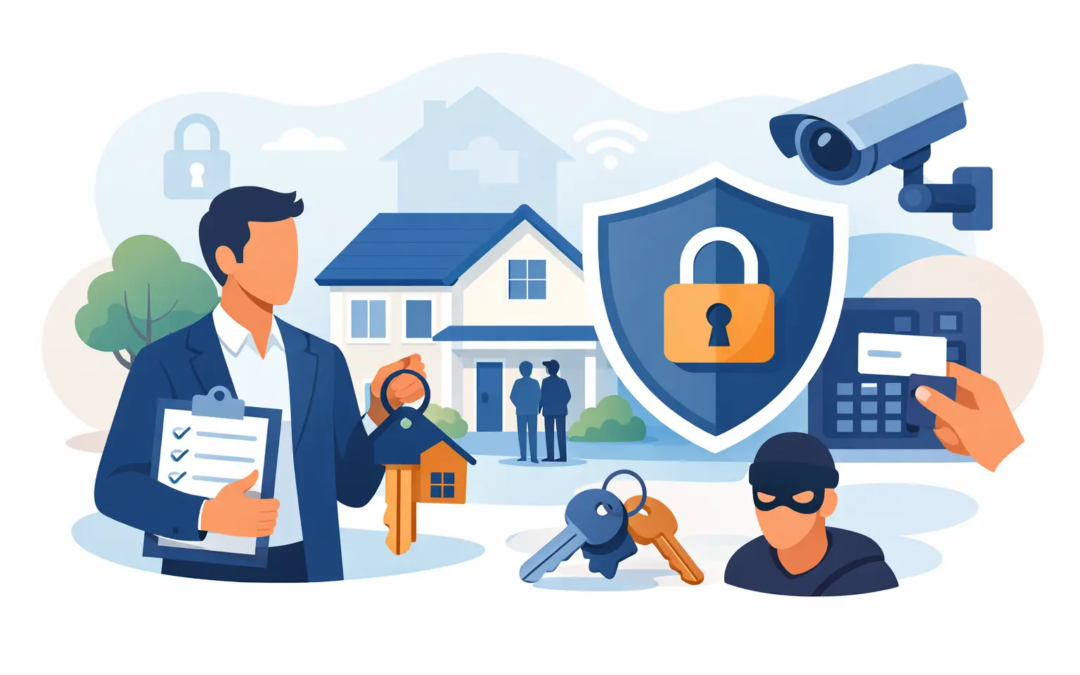
A broken exterior lock is not just a maintenance ticket. It can leave a tenant feeling unsafe, expose a property to theft or damage, and create a dispute that could have been avoided with a clear response. This landlord security responsibilities guide explains the practical duties that help keep rental properties safer without turning every property owner into a security expert.
Landlords are not expected to guarantee that crime will never happen. They are expected to take reasonable steps to maintain a safe, habitable rental property and address known security problems. The details depend on the property type, local and state laws, lease terms, and the condition that created the risk. A simple, consistent approach makes those responsibilities easier to manage.
What Landlords Are Generally Responsible For
Most landlord security responsibilities begin with the property itself. Rental homes and apartment units should have working doors, windows, locks, lighting, and other basic features that help residents secure the space. When something under the landlord’s control stops working, the owner or property manager should act promptly.
In many areas, habitability rules require secure exterior doors and functioning locks. Some cities and states go further, setting specific standards for deadbolts, window latches, peepholes, smoke alarms, or lighting in common areas. Local rules matter, especially for multifamily properties, so it is wise to confirm the requirements that apply before signing a lease or planning upgrades.
A landlord’s responsibility is usually strongest when they know about a problem. If a tenant reports that a front-door lock sticks, a gate will not latch, or a hallway light is out, document the report and arrange a repair. Delays can turn a small maintenance issue into a real safety concern.
Secure Doors, Windows, and Entry Points
Exterior doors should close fully, latch correctly, and have dependable locking hardware. Door frames, strike plates, hinges, sliding-door locks, and window latches deserve the same attention. A high-quality lock will not help much if the frame is loose or the strike plate is attached with short screws that can pull out under force.
After a tenant moves out, rekeying or changing locks is a practical step and may be required by state or local law. It protects the incoming tenant from unauthorized access by former residents, visitors, or contractors who may still have a key. Keep accurate records of who receives keys, fobs, gate remotes, and access codes.
Tenants also have a role. They should not disable locks, leave keys in unsecured places, or install hardware that damages the door or prevents emergency access without approval. A lease can set clear rules while still allowing reasonable security improvements.
Common Areas Need Consistent Attention
For apartment buildings, duplexes, and commercial-residential properties, shared spaces can create additional security concerns. Entry doors, stairwells, parking areas, laundry rooms, mail areas, and walkways should be maintained so residents can enter and leave safely.
Good lighting is one of the simplest improvements. Burned-out fixtures, blocked sightlines, damaged gates, and unsecured storage rooms can make a property feel neglected and create opportunities for unauthorized access. Routine walk-throughs help catch these issues before a tenant has to report them.
The goal is not to make a small property feel like a fortress. It is to remove obvious weak points and keep the property in working order.
A Landlord Security Responsibilities Guide to Access and Privacy
Landlords need access to rental units for repairs, inspections, emergencies, and turnover work. But access must be handled with respect for tenant privacy and applicable notice requirements. Entering without proper notice, except in a genuine emergency or another legally permitted situation, can damage trust and may violate state law.
Put an access policy in writing. Explain how much notice is normally provided, who may enter, why entry may be needed, and how emergency repairs are handled. Train maintenance staff and vendors to follow the same process. They should not enter simply because a door is unlocked or because they are already at the property for another task.
Key control is equally important. Limit master-key access to the people who need it, avoid labeling keys with unit numbers, and collect keys from vendors when work is complete. If electronic locks or access codes are used, remove old credentials promptly after a tenant, employee, or contractor no longer needs access.
Cameras, Doorbells, and Monitoring Systems
Security cameras can help monitor shared entrances, parking areas, building exteriors, and other common spaces. They can discourage trespassing and provide useful information after an incident. Still, placement matters.
Cameras should never be installed in private areas where a tenant reasonably expects privacy, such as inside a rental unit, bathroom, bedroom, or changing area. Audio recording rules can also be stricter than video rules in some states. Before installing a system, check local requirements and clearly communicate where cameras are located and what areas they cover.
A video doorbell or camera installed by a tenant may also be reasonable, but the lease should address how equipment can be mounted, powered, and removed. The best policy protects tenant privacy, prevents property damage, and avoids unnecessary arguments over technology.
Responding When a Security Problem Is Reported
A clear response process is often more valuable than an expensive security upgrade. Tenants should know where to report urgent maintenance and security concerns after normal business hours. Property managers should know which issues require immediate action.
For example, a damaged front lock, broken ground-floor window, failed main entry door, or exposed access panel may need same-day attention or a temporary safeguard until repairs are complete. A request for an additional deadbolt or camera may be less urgent, but it still deserves a timely, clear answer.
When a report comes in, record the date, the condition described, the action taken, and the completion date. If a repair cannot happen immediately, tell the tenant what temporary measure is being used and when they can expect an update. Direct communication helps residents feel heard and creates a useful record if questions arise later.
If there is an active threat, break-in, fire, or medical emergency, tenants should contact 911 first. Property staff can support the response, secure the property after emergency services leave, and begin needed repairs, but they should not replace law enforcement or emergency responders.
Practical Upgrades That Make a Difference
Not every rental property needs a complex alarm system. The right approach depends on the building layout, neighborhood, budget, tenant needs, and local requirements. Start with the basics, then add protection where it solves a clear problem.
For many properties, the most useful measures include:
- Reinforced strike plates and properly fitted deadbolts on exterior doors.
- Window locks that work and can be opened safely for emergency exit where required.
- Motion-activated or well-placed lighting at entrances, walkways, and parking areas.
- Controlled access for shared buildings, including maintained gates, intercoms, fobs, or keypad systems.
- Clearly placed cameras covering common areas, along with a plan for reviewing footage and protecting recordings.
- Monitored intrusion alarms for vacant units, leasing offices, storage areas, or properties with repeated break-in concerns.
The trade-off is simple: more equipment can improve visibility and control, but it also adds maintenance, privacy considerations, and costs. A camera with poor placement or no process for reviewing alerts does not solve much. Choose systems that someone can realistically manage.
Simple Security Solutions can help property owners think through practical protection for rental homes and smaller properties without overcomplicating the decision.
Set Expectations in the Lease and During Move-In
Security works better when everyone understands their role. A lease should explain the landlord’s maintenance process, the tenant’s duty to report broken locks or unsafe conditions, rules for changing locks, and expectations for keys and access devices. It can also address prohibited actions, such as duplicating restricted keys or giving building codes to unauthorized people.
During move-in, walk the tenant through the locks, windows, smoke alarms, and any security features. Confirm that doors close correctly and document the condition with photos or a checklist. This creates a baseline and can prevent disputes later.
For landlords, the practical standard is not perfection. It is reasonable care, consistent maintenance, respectful access, and a prompt response when a security issue is reported. When those basics are handled well, tenants get more peace of mind and the property is easier to protect over the long term.