

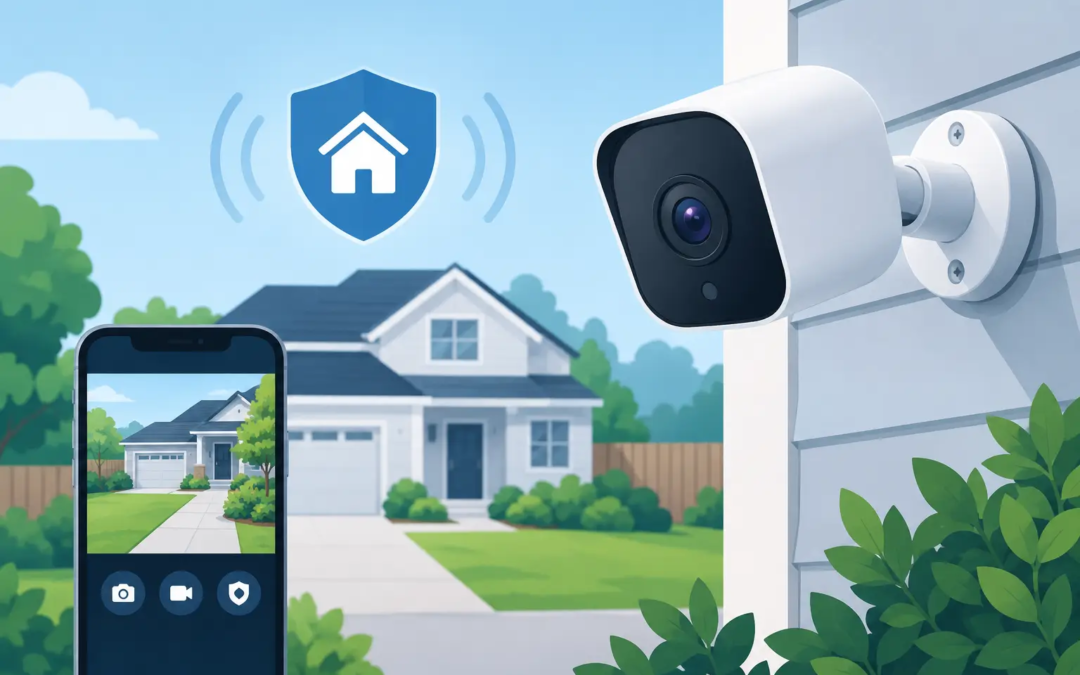
A camera can look great on a product page and still miss the one area that matters: the side gate, the employee entrance, or the driveway where packages sit in plain view. This outdoor camera review focuses on the details that determine whether a camera will provide useful protection for your home or small business, not just another notification on your phone.
The right choice is rarely the camera with the longest feature list. It is the one that clearly covers the risk you are trying to manage, works reliably in your location, and fits into a system you will actually use.
Start With the Area You Need to Protect
Before comparing resolution, subscriptions, or smart alerts, identify the point of concern. A front-door camera serves a different purpose than a camera watching a long driveway, a rear patio, a loading area, or a detached garage.
For a home, priority areas often include the front entry, driveway, side access, and backyard gate. Small businesses may need coverage at customer entrances, delivery doors, parking areas, cash-handling locations, or equipment storage. One well-positioned camera can be more valuable than several cameras pointed generally at a large space.
Pay attention to distance. A camera may show movement at the end of a driveway but fail to provide a clear image of a person or vehicle. Mounting height, viewing angle, and lighting all affect what you can see. A wider view covers more area, but people and details appear smaller. A narrower view may give better detail, but it can leave blind spots.
Walk outside at the time incidents are most likely to occur. Check where visitors approach, where a person could avoid view, and whether trees, parked vehicles, or signage block the camera. This simple step prevents many disappointing installations.
Outdoor Camera Review: Features That Matter Most
Video quality is about usable detail
Higher resolution can improve detail, especially when you need to recognize a face near an entry or read a vehicle feature at close range. But resolution alone does not guarantee a good image. Poor lighting, glare from the sun, motion blur, and a camera aimed too far from the target can limit results.
For most everyday uses, choose a camera that delivers a clear image in the specific zone you want to watch. If you need to identify activity across a larger parking lot or long drive, a professional assessment may be worthwhile. The goal is not to collect the most video. It is to capture useful video.
Night vision deserves the same attention as daytime quality. Infrared night vision can show activity in darkness, but images are often black and white. Cameras with built-in lighting may provide color at night, which can help show clothing, vehicle color, or other details. The trade-off is that a light can be noticeable and may bother neighbors if it is aimed poorly.
Weather resistance should match the location
An outdoor camera needs protection from rain, dust, heat, cold, and wind-driven moisture. Check the manufacturer’s weather rating, but also consider where the camera will be installed. A camera under a covered porch faces less exposure than one mounted on a fence line or exterior wall with no shelter.
Direct afternoon sun can create glare and heat. In colder parts of the country, snow and ice can block a camera or affect battery performance. In coastal or humid locations, moisture and corrosion deserve extra consideration. Proper mounting, protected cable connections, and a sensible placement often matter as much as the rating printed on the box.
Power affects maintenance and reliability
Battery-powered cameras are flexible and can be a good fit where running a cable is difficult. They are often easier to install, but they require recharging or battery replacement. Frequent motion, cold weather, and high-traffic areas can shorten battery life.
Wired cameras usually provide more consistent power and can support continuous recording, depending on the system. They take more planning to install, especially if power or network wiring is not already nearby. For many homeowners and small business owners, the best option depends on whether convenience or continuous coverage is the higher priority.
Solar charging can reduce battery maintenance in a location with dependable sunlight. It is not a complete replacement for planning. A shaded camera location, winter weather, or heavy activity may still drain the battery faster than the panel can recharge it.
Alerts should be useful, not constant
A camera that sends alerts for every passing car, tree branch, or neighborhood cat quickly becomes a camera people ignore. Look for adjustable motion zones and person, vehicle, or package detection when those features fit your needs.
Set alerts around the areas that matter, such as a walkway, gate, or delivery entrance. Avoid including a busy sidewalk or street when possible. Then test the system for a few days and make adjustments. The best alert settings reduce unnecessary notifications without missing activity at your property.
Recording and Storage: Know What Happens After an Event
Live video is helpful, but recorded footage is what you may need after a delivery dispute, property damage, or suspicious activity. Before choosing a camera, understand where recordings are stored and how long they remain available.
Cloud storage is convenient because video can be viewed from an app even if the camera is damaged or taken. It may require a monthly fee, and the available history can vary by plan. Local storage can reduce ongoing costs and may keep footage on-site, but it can have limited capacity and could be lost if equipment is stolen or damaged.
For a small business, consider who needs access to video and whether access can be managed by role. A manager may need full visibility, while an employee may only need to view a specific entrance. Clear access settings protect privacy and reduce confusion.
Also check what happens when the internet goes down. Some cameras keep recording locally, while others may only provide live viewing and cloud recording when a connection is available. No internet-dependent camera can send remote alerts during an outage, so properties with frequent service interruptions may need a plan that accounts for that limitation.
Installation Can Make or Break a Good Camera
A camera should be high enough that it is difficult to tamper with, while still low enough to capture faces and activity clearly. Pointing it straight down from a roofline may show where someone walked but not who they were.
Avoid aiming directly into a bright porch light, the rising or setting sun, or reflective glass. Test the view in daylight and after dark before making the installation permanent. A slight adjustment can make a major difference in glare and night visibility.
Respect privacy boundaries as well. Cameras should focus on your property and legitimate security areas, not a neighbor’s private spaces. For businesses, let employees know where cameras are used and follow applicable local rules for recording. Cameras are most effective when they support a clear, reasonable safety plan.
When a Standalone Camera Is Enough and When It Is Not
A single outdoor camera can be a practical first step for a lower-risk entry point or an area where you mainly want awareness. It can show deliveries, confirm when someone arrived, and provide a record of activity near a door or gate.
It may not be enough for a larger property, a business with multiple entry points, or a location with valuable equipment and regular after-hours activity. In those situations, cameras work better as part of a broader approach that can include monitored intrusion protection, lighting, controlled access, and clear response procedures.
The camera should support action. Decide who receives an alert, who checks footage, and what happens if something looks wrong. For a business, that may mean notifying a manager or contacting authorities when appropriate. For a household, it may mean verifying activity without opening the door or stepping outside.
Make the Choice Based on Your Real Routine
The best outdoor camera is not necessarily the most expensive one or the one with every available feature. It is the camera that sees the right area, records useful footage, handles local weather, and gives you alerts you can trust.
Think about the ordinary moments first: deliveries, visitors, employees opening up, family arriving home, and vehicles pulling into the drive. When a camera helps you handle those moments with more clarity and less second-guessing, it is doing its job. If you are unsure where coverage will make the biggest difference, a straightforward security conversation can help turn a long list of camera features into a practical plan for your property.