

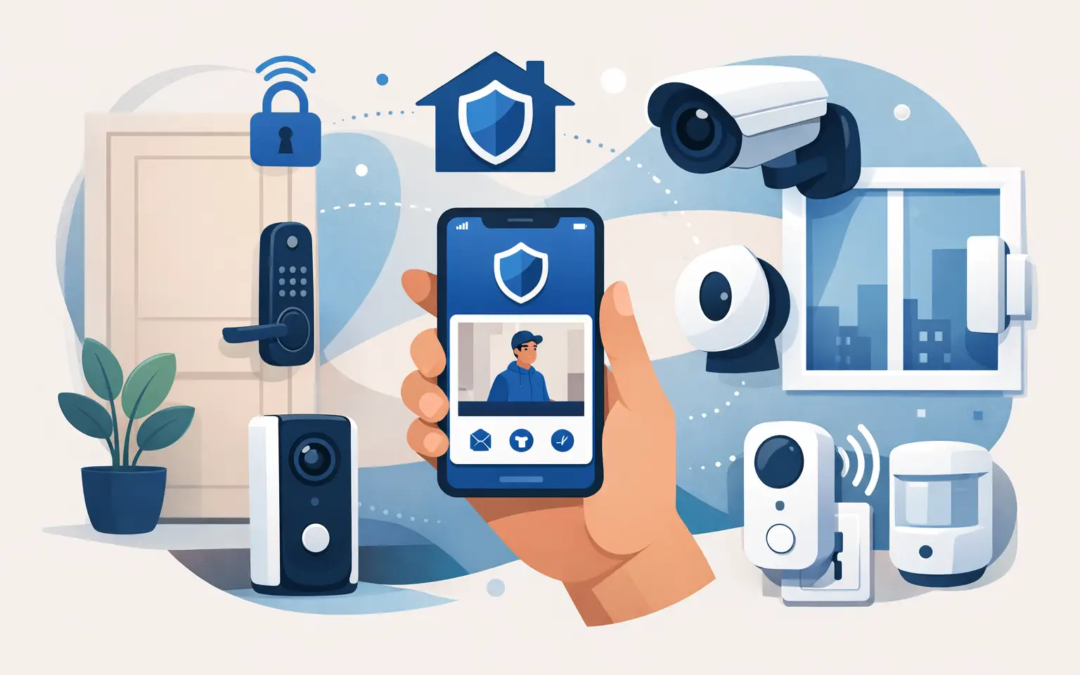
That uneasy moment usually comes right after moving in – you lock the door, look around, and realize the place is yours, but the hardware mostly is not. This renter friendly security devices guide is built for that exact situation: you want better protection, but you also want to avoid drilling holes, violating your lease, or spending money on gear you cannot take with you.
For most renters, good security comes down to three questions. Will it damage the property? Will it actually help in everyday life? And will it still make sense if you move in a year? The best devices check all three boxes. They are easy to install, easy to remove, and practical enough to use every day instead of becoming one more app you ignore.
What makes a device renter-friendly?
A renter-friendly device should be simple to install without permanent changes. That usually means adhesive mounts, battery power, plug-in setup, or hardware that fits over existing fixtures instead of replacing them in a permanent way. If a product requires new wiring, door modifications, or multiple wall anchors, it may work well in a house you own but not in an apartment or rental home.
It also needs to be easy to remove cleanly. Some products look harmless until move-out day, when adhesive strips peel off paint or leave marks around trim. Before buying, it helps to think one step ahead. Ask not only how it goes up, but how it comes down.
The last piece is flexibility. Renters move more often than homeowners, so security gear should travel well. Devices that can be packed up, reinstalled quickly, and adapted to a new layout usually offer better long-term value than anything tied too closely to one specific floor plan.
A renter friendly security devices guide to the basics
If you are trying to keep things simple, focus on doors, windows, visibility, and alerts. That covers the most common weak points without turning your apartment into a complicated system.
Door and window sensors
These are often the easiest place to start. Small battery-powered sensors attach with adhesive and alert you when a door or window opens. They are low-profile, affordable, and useful whether you live in a studio apartment or a larger rental house.
The main trade-off is that sensors tell you something opened, but they do not show you what happened next. They work best when paired with a camera, a siren, or app notifications that you will actually notice.
Indoor cameras
Indoor cameras are popular with renters because installation is usually as simple as plugging them in and placing them on a shelf. They can help you check on pets, confirm whether a maintenance visit happened, or review unexpected motion while you are away.
Placement matters. A camera pointed at the front entry can be more useful than one covering the middle of the living room. At the same time, renters should think carefully about privacy. Bedrooms and bathrooms are obvious no-go areas, and shared housing adds another layer. If you have roommates, transparency matters. Everyone should know where cameras are and what they cover.
Video doorbells
A video doorbell can be a great fit for renters, but this is where lease rules matter most. Some apartments do not allow anything to be attached to the exterior door or frame. Others may allow removable mounting brackets that clamp onto the door without drilling.
When they are allowed, video doorbells are useful because they cover package deliveries, unexpected visitors, and activity near your entry. Just make sure the mounting method is truly temporary and that the camera does not create privacy issues with neighbors in hallways or shared spaces.
Door reinforcement devices
Not every security upgrade needs to be electronic. Portable door braces, reinforcement bars, and travel-style door locks can add a physical layer of protection without permanent installation. These are especially useful for renters who want something simple and do not want another connected device.
The limitation is convenience. Some are designed mainly for when you are inside the unit, not when you leave. They can improve peace of mind at night, but they do not replace a full security setup.
Smart locks for renters
Smart locks can be renter-friendly, but only some models. The safest bet is usually a retrofit smart lock that attaches to the inside thumb-turn of an existing deadbolt, rather than replacing the entire lockset. That way, the exterior hardware stays the same and the original key still works.
This can be helpful if you want app control, temporary access for a dog walker, or reminders when the door is left unlocked. The trade-off is compatibility. Not every deadbolt works with every retrofit device, and battery upkeep is part of the deal.
Glass break sensors and motion detectors
These devices can extend coverage beyond doors and windows. Glass break sensors listen for the sound pattern of breaking glass, while motion detectors cover movement in a room. For renters in first-floor units, units with sliding glass doors, or spaces with large windows, they can add useful backup.
Still, they are not always necessary in every rental. In a small apartment with one main entry and good locks, sensors and a camera may already cover most of the risk. More devices are not always better. The goal is to solve the right problem, not buy every product on the shelf.
How to choose the right setup for your rental
The best security setup depends on your building, your lease, and how you live. A ground-floor apartment has different needs than a third-floor unit with controlled building access. A person who travels often may care more about remote alerts and cameras, while someone living alone may prioritize door reinforcement and quick emergency response.
Start with your entry points. If the front door feels like the main vulnerability, begin there with a camera, a smart lock option that does not alter the exterior, or a door sensor. If windows are easy to access, add window sensors or glass break detection. If you receive frequent deliveries, front-entry visibility becomes more important.
Then think about your routine. Security only helps if you use it. A simple two- or three-device setup that you arm consistently is usually better than a bigger system that feels annoying or confusing. This is where a clear, practical approach matters. At Simple Security Solutions, the focus is on making those choices easier, not pushing more equipment than you need.
Lease rules and landlord communication
A lot of renter frustration comes from skipping this step. Before installing anything, review your lease for language around alterations, exterior attachments, locks, wiring, and surveillance devices. Even if something seems minor, it is better to know where the line is.
If you are unsure, ask in plain terms. Tell the landlord or property manager what the device is, how it mounts, whether it requires drilling, and whether it changes existing hardware. Many concerns go away when they hear that the device is battery-powered, removable, and does not affect the structure.
This is also smart protection for you. If there is ever a dispute at move-out, you can point back to what was approved. Clear communication saves time, money, and stress.
Common mistakes renters make
One common mistake is buying based on features instead of fit. A device can have impressive specs and still be wrong for your lease, layout, or comfort level. Another is relying too heavily on cameras while ignoring physical security. A recorded video is useful, but preventing access in the first place is better.
Renters also sometimes forget the basics around visibility and habit. Keeping entry areas well lit, locking windows, checking that doors fully latch, and using app alerts consistently can matter just as much as the device itself. Security works best when the tools support good routines.
A practical renter-friendly setup for most people
For many renters, a balanced setup looks like this: a door sensor on the main entry, window sensors on accessible windows, one indoor camera aimed at the entry path, and a non-permanent door reinforcement device for when you are home. If lease rules allow it, a renter-safe video doorbell can be a strong addition.
That setup covers the basics without creating a lot of hassle. It is portable, reasonably affordable, and easy to expand later if your needs change. If you move, most of it can come with you.
The right security setup should make you feel more settled, not more stressed. If a device is easy to live with, easy to remove, and clearly solves a real concern, it is probably worth considering. Start with the points that matter most in your space, keep it simple, and build from there.