

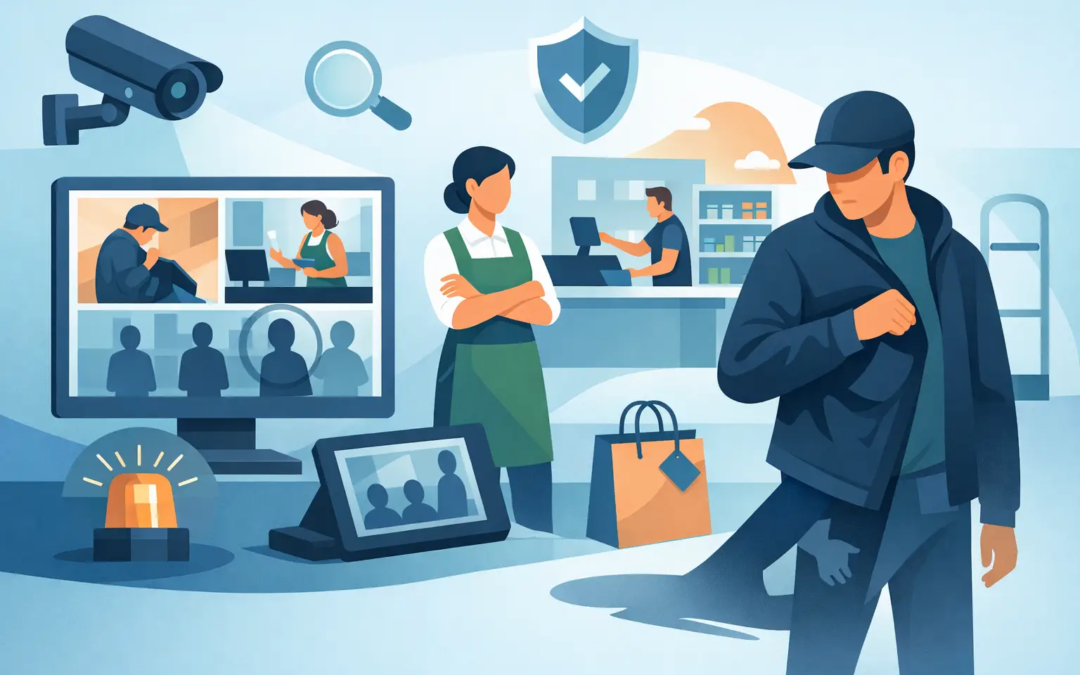
A missing item is rarely just a missing item. For a small retailer, repeated losses can cut into already-tight margins, disrupt staff, and create an uncomfortable environment for customers. Effective retail loss prevention is not about treating every shopper with suspicion. It is about making theft harder, spotting problems sooner, and giving employees clear ways to respond safely.
The right approach depends on your store, your inventory, your hours, and the risks you actually face. A boutique with high-value accessories needs different protections than a convenience store with late-night traffic. Still, the most useful plans share one quality: they are simple enough for people to follow every day.
Start With the Losses You Can See
Before buying equipment or changing store policies, look at what is leaving the store without being paid for. Loss can come from shoplifting, employee theft, return fraud, vendor errors, damaged goods, and simple inventory mistakes. Calling all of it theft can lead to the wrong solution.
Review inventory records and sales reports regularly. Look for patterns: specific products that disappear, times of day with more incidents, repeated register shortages, or items that are frequently marked as damaged. A basic weekly review can reveal more than a once-a-year inventory count.
Talk with staff, too. Employees often know where blind spots exist, which display areas are difficult to watch, or when one person is left covering too much of the store. The goal is to find practical fixes, not assign blame without evidence.
Build Retail Loss Prevention Around Visibility
Most theft becomes easier when a person believes no one can see what they are doing. Good visibility is one of the simplest ways to reduce that opportunity.
Start with the sales floor. Keep shelves, signs, and displays at a height that allows employees to see across key areas. Avoid creating hidden corners near fitting rooms, restrooms, exits, or high-value merchandise. Place popular small items where they can be seen from the counter or main work area when possible.
Lighting matters as much as layout. A dark entrance, parking area, stockroom door, or rear aisle can create a security gap and make customers and staff feel less safe. Make sure interior and exterior lighting is working, especially around closing time.
Cameras add another layer of visibility. They work best when placed with a clear purpose: cover entrances and exits, checkout areas, high-value displays, receiving areas, and back doors. A camera pointed at a ceiling or blocked by a sign does little good. Review the view after installation and check periodically that recordings are available when needed.
Visible cameras can discourage theft, while well-positioned cameras can help document an incident. They should support staff awareness, not replace it. A camera cannot greet a customer, notice unusual behavior in the moment, or safely call for help.
Keep High-Risk Products in Reach, Not Out of Sight
Locking up every item can make a store feel inconvenient and unwelcoming. But leaving frequently stolen, small, or expensive products unattended can create an avoidable problem. The balanced option is to identify your highest-risk merchandise and protect it in proportion to the risk.
This may mean placing select items behind the counter, using locked display cases, attaching security tags, or keeping limited quantities on the floor. If customers need assistance to access a product, make that assistance quick and friendly. Security should not make honest shoppers feel like they have to work for a purchase.
Give Employees Clear, Safe Responsibilities
Employees are often the most effective part of a loss prevention plan because their presence changes the environment. A simple greeting when someone enters, regular movement through the store, and a helpful offer of assistance can discourage theft without confrontation.
Staff should know what to watch for, but training should focus on behavior rather than assumptions about a person’s appearance. Examples may include concealing merchandise, watching employees instead of products, repeatedly entering restricted areas, removing packaging, or lingering near an exit with unpaid items. No single behavior proves theft. Employees should observe, stay professional, and follow store policy.
Just as important, set a clear rule about confrontation. In most small retail settings, employees should not chase, physically block, or touch a suspected shoplifter. Merchandise can be replaced. A staff member or customer getting hurt is a far more serious loss.
A practical response plan can be straightforward: notify a manager, keep a safe distance, observe details such as time and direction of travel, and call law enforcement when appropriate. If an alarm, panic button, or monitored security system is part of the plan, employees should know exactly when and how to use it.
Protect the Register and Back Room
Front-counter controls help prevent losses that have nothing to do with shoplifting. Limit register access to trained employees, require separate logins where your point-of-sale system allows it, and avoid leaving cash drawers open or unattended. Count cash consistently at opening, shift changes, and closing.
Back rooms deserve the same attention. Deliveries, returns, damaged merchandise, and stock transfers should be documented. Keep exterior doors closed and secured when they are not actively being used. Restrict keys, codes, and alarm access to people who truly need them, and update access when an employee leaves.
These steps are not about creating a workplace built on mistrust. Clear controls protect honest employees as well. They reduce confusion, make errors easier to correct, and give managers reliable information if a question comes up.
Use Security Technology for the Right Jobs
Security equipment is most useful when it solves a specific problem. A basic system with reliable cameras, intrusion detection, and alerts may provide more value than a complicated setup that no one understands or maintains.
For example, intrusion alarms can help protect a store after hours and alert the right people when a door or window is breached. Cameras can help verify what happened during an incident. Door contacts and access controls can add accountability around employee-only entrances. The best mix depends on the property and the risks you identified earlier.
Do not overlook maintenance. Test alarms, confirm cameras record clearly, replace worn signs, and make sure staff know who to call if something is not working. Security systems only help when they are active, visible, and used as intended.
Create Policies That Customers Can Understand
Clear store policies can prevent avoidable disputes and reduce fraud. Return rules, receipt requirements, limits on cash refunds, fitting-room procedures, and bag policies should be communicated consistently. Post what customers need to know in plain language and train employees to apply the rules evenly.
There is a trade-off here. Overly strict policies may reduce some losses but can also frustrate good customers and slow down service. A policy should address a real pattern, not react to one bad incident. If return fraud is a concern, a receipt requirement and manager approval for exceptions may be enough. You may not need a complicated process that turns every return into a conflict.
Review Incidents and Adjust Without Overreacting
After a theft, attempted theft, alarm event, or inventory discrepancy, take a few minutes to document what happened. Record the date, time, location, items involved, and any steps staff took. If video is available, preserve it according to your business policy.
Then ask a useful question: what made this easier to happen? Maybe a display blocked the counter’s view. Maybe a back door was not latching. Maybe one employee was left alone during the busiest hour. The answer may be a simple change in layout, staffing, training, or equipment.
Avoid rebuilding your entire operation around one event. Look for repeated patterns before making major changes. Retail loss prevention works best as a regular part of store management, not a reaction fueled by frustration.
A safer store does not have to feel tense or complicated. When your staff know their role, your property is visible and well protected, and your procedures make sense, you create a place where honest customers can shop comfortably and your business can keep more of what it earns.