

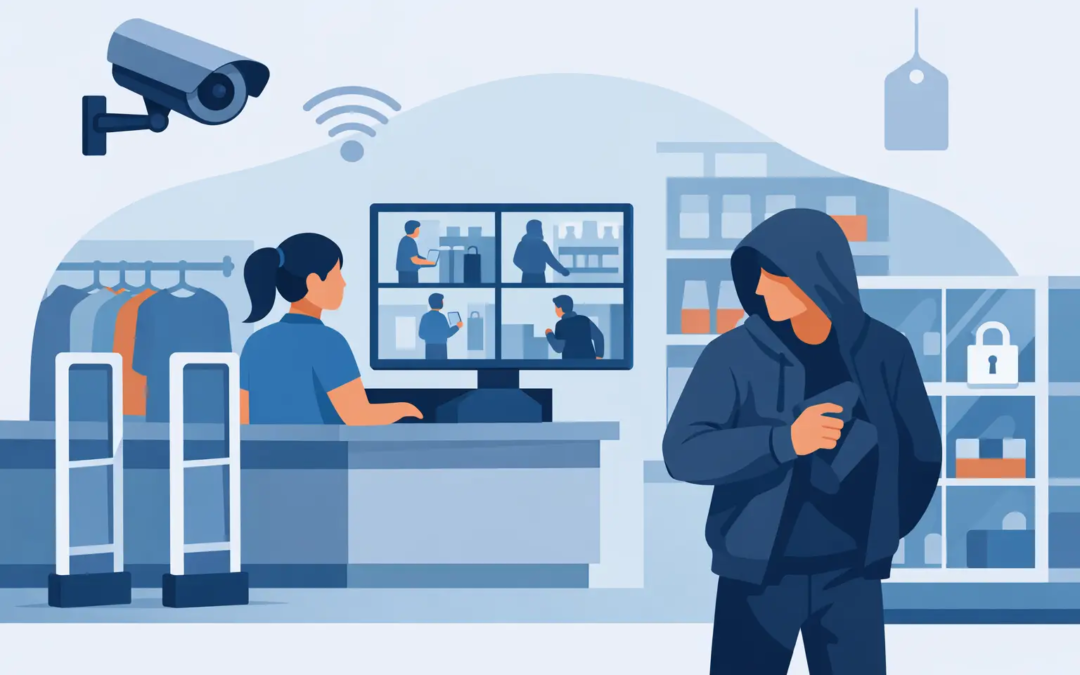
A small store usually notices theft in the same frustrating way – inventory counts stop matching sales, a few high-value items keep disappearing, or employees start reporting suspicious behavior near blind spots. A good retail theft prevention example is not a complicated enterprise system. For most small businesses, it is a clear plan that combines store layout, staff habits, and a few reliable security tools.
That matters because theft rarely comes from just one weak point. It happens when opportunity stacks up: poor visibility, inconsistent procedures, limited monitoring, and products placed where no one is watching. The fix is usually just as practical. You reduce the easy opportunities, make suspicious behavior easier to spot, and create routines your team can actually follow every day.
A practical retail theft prevention example
Imagine a neighborhood convenience store with two aisles, a beverage cooler in the back, and a checkout counter near the front door. The owner has noticed repeated losses in small, easy-to-resell items like over-the-counter medicine, phone chargers, vape accessories, and batteries. Nothing dramatic is happening. There are no broken locks or obvious break-ins. Products are simply disappearing.
Instead of trying to solve the problem with one expensive purchase, the owner makes a few direct changes. First, high-theft items are moved closer to the register. Lower-cost bulk items stay in the back, but compact products with high resale value are placed where staff can see them. Next, mirrors are added to reduce blind corners, and shelving is lowered slightly in one aisle so employees have a clearer line of sight.
The owner also installs visible security cameras covering the entrance, register area, and back aisle. The goal is not to make the store feel intimidating. It is to make it clear that activity is being observed. Signage at the door and checkout reminds customers that the store uses video monitoring. Staff members are trained to greet every person who enters, offer help when someone lingers too long in one area, and avoid leaving the front unattended during busy periods.
Within a few weeks, losses drop. Not because every thief is caught, but because the store is no longer an easy target. That is the value of a strong retail theft prevention example: small changes, applied consistently, can make a measurable difference.
Why this retail theft prevention example works
What makes this approach effective is that it deals with behavior, not just hardware. Most theft is opportunistic. If someone can slip an item into a pocket in a hidden aisle and walk out through a lightly monitored exit, the risk feels low. Change the environment, and the decision changes too.
Visibility is one of the biggest factors. When staff can see more of the floor and customers know they are likely to be noticed, theft becomes harder to carry out casually. Product placement matters for the same reason. A $25 item near the register is often safer than a $5 item hidden in the back if it is the kind of item people steal often.
Consistent employee behavior matters just as much. A simple greeting at the door can discourage theft because it signals awareness. Offering help is useful for customer service, but it also lets potential shoplifters know they have been seen. These are low-cost habits, and for many small stores, they work better than buying more technology without a plan for using it.
The core pieces of a simple prevention plan
For small retailers, the best setup is usually a mix of physical layout, staff awareness, and targeted monitoring. Any one of those can help, but together they are much stronger.
Store layout should support clear sightlines. Tall displays near entrances, cramped aisles, and cluttered promotional bins create hiding places and block visibility. A cleaner layout helps honest customers shop more comfortably and gives employees a better view of the space. If redesigning the whole store is not realistic, even small changes to shelving height or display placement can help.
Camera placement should focus on decision points, not just wide shots of the ceiling. Entrances, exits, checkout counters, and problem areas deserve the clearest coverage. Many owners assume that having cameras anywhere in the store is enough. Often it is not. If the footage does not show faces, hands, or product movement clearly, it may not help much after an incident.
Lighting is another factor that gets overlooked. Dim corners, stockrooms, and parking lot edges increase risk. Good lighting does not stop theft by itself, but it removes cover and helps staff and cameras do their job better.
Then there are daily procedures. Cash handling, opening and closing routines, returns, and employee access to inventory all need basic rules. Retail theft is not always external. Internal theft can be harder to detect because it often looks like paperwork errors, voided transactions, or unexplained shrink over time. Small businesses do not need a heavy policy manual, but they do need clear expectations.
Where small businesses often get it wrong
A common mistake is relying on one solution and expecting it to fix everything. A camera system helps, but if no one checks placement, reviews incidents, or trains staff on what to watch for, results are limited. Locked display cases can protect certain items, but they may also slow down sales if overused. Security tags can work well in some stores, but they are less practical in others.
Another issue is making the store harder for honest customers instead of harder for thieves. If every product is locked up, service slows down and frustration goes up. If staff are trained to be overly aggressive, the shopping experience suffers. Prevention works best when it is noticeable enough to deter theft but not so heavy-handed that it creates tension.
Cost is also a real consideration. A small retailer does not always need an advanced system with features designed for large chains. In many cases, a simpler setup with good camera coverage, smart product placement, and reliable alerts is the better investment. The right approach depends on store size, product type, staffing levels, and budget.
How to build your own plan from this example
If you run a small store, start by identifying where losses happen most often. Look at what is missing, when it happens, and where those products are displayed. Patterns matter more than assumptions. You may think the problem is near the entrance when it is actually happening in a back corner with poor visibility.
Next, walk the store like a customer. Notice where someone could hide merchandise, avoid staff contact, or leave quickly without being seen. Those areas should shape your layout changes and camera placement.
After that, tighten the basics. Make sure employees greet customers, know which products are most at risk, and understand what suspicious behavior looks like. Keep the training simple and repeatable. A complicated security script will not be followed during a busy shift.
Then add the tools that fit your space. For some businesses, that means visible cameras and better exterior lighting. For others, it may mean entry alerts, locked storage for select products, or better control over who can access stockrooms and registers. The best system is the one your team will actually use correctly.
This is where a straightforward security partner can help. Simple Security Solutions focuses on making protection easier to understand and easier to put into practice, which is often exactly what small property owners and business operators need.
Theft prevention is really about reducing opportunity
Most small businesses do not need fear-based messaging or complicated systems to address theft. They need a setup that fits how they actually operate. A useful retail theft prevention example shows that prevention is not about turning a store into a fortress. It is about removing easy chances, improving awareness, and making security part of the daily routine.
If your store has started seeing unexplained losses, start with what is practical and visible. Better sightlines, smarter product placement, clear staff habits, and dependable monitoring can go a long way. The goal is not perfection. It is a store that feels easier to manage, easier to protect, and less attractive to the next person looking for an easy opportunity.