

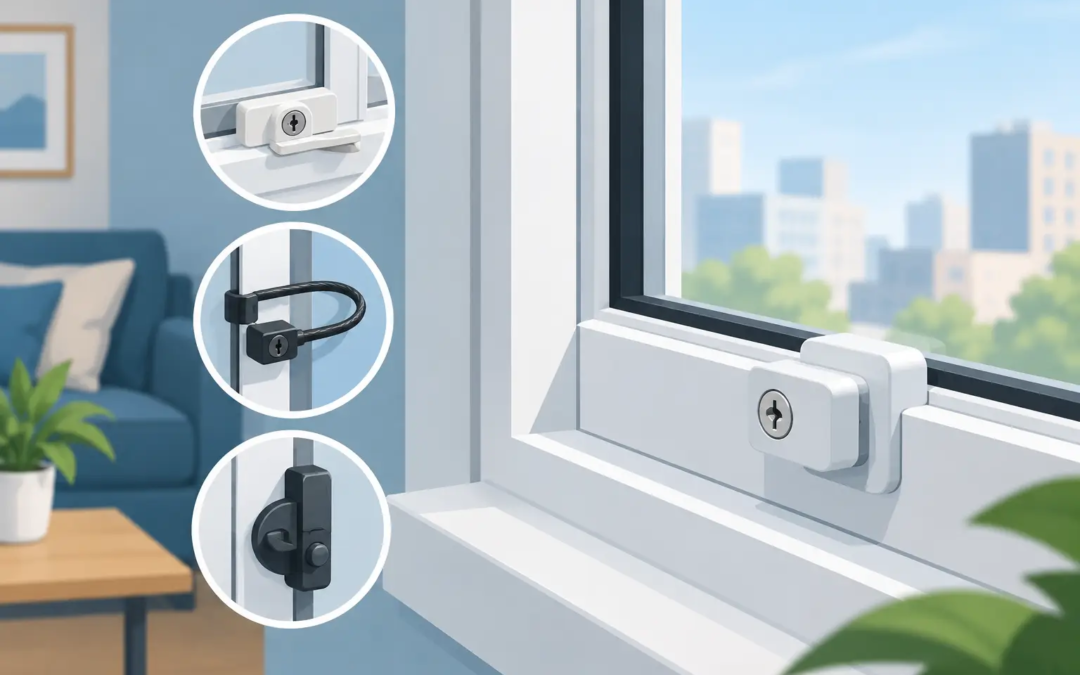
A window that slides open with a little pressure is more than an annoyance. For renters, it can be a real security gap – especially on ground floors, near fire escapes, or behind private fences. The best window locks for renters add meaningful protection without creating a fight with the lease, damaging the frame, or making it hard to use the window safely.
The right choice depends less on flashy features and more on three basics: your window style, whether your landlord allows modifications, and how much security the location needs. A simple lock that fits correctly is usually more useful than an expensive device that does not match the window.
Start With the Window and Your Lease
Before buying anything, check what type of window you have. Most rental homes and apartments use double-hung windows, horizontal sliding windows, or casement windows that crank outward. A lock designed for one may be ineffective or impossible to install on another.
Also read your lease or ask the property manager before drilling into frames, sashes, or tracks. Many leases allow temporary security devices but prohibit permanent alterations. If you receive approval for a screw-mounted lock, keep that approval in writing. It can prevent a disagreement when you move out.
Security should not interfere with emergency escape. Bedrooms commonly need a usable emergency exit, depending on local building requirements and the room layout. Never install a lock that prevents occupants from opening a designated escape window quickly from inside. If children live in the home, make sure every responsible adult knows how the lock releases.
Best Window Locks for Renters by Window Type
There is no single best lock for every rental. These are the most practical options, with the trade-offs that matter.
Track locks and window stops for sliding windows
Track locks, sometimes called sliding window locks or window stops, clamp onto the track of a horizontal sliding window. They limit how far the sash can move, or stop it from moving at all. Most use a screw-tightened clamp and can be installed without drilling.
They are a strong choice for renters because installation is simple and removal usually leaves no mark. They also let you set a small opening for ventilation while preventing the window from sliding wide open. That said, they must fit the track firmly. A loose or poorly sized clamp can shift under pressure, so test it after installation.
For a sliding window or patio-style window, a cut-to-size security bar in the track can add another layer. The bar should fit tightly enough that the sash cannot be forced open. It is basic, affordable, and easy to take with you when you move. It is also visible, which may not suit every room.
Pin locks for double-hung windows
Pin locks secure the upper and lower sashes together with a metal pin. When properly installed, they make it much harder to raise the lower sash from outside. They are effective for older double-hung windows where the factory latch feels weak or does not align well.
The downside is installation. Many pin locks require drilling a small hole, which may need landlord permission. Some versions are designed for limited opening, allowing the window to rise only a few inches. That can be useful for ventilation, but it should not be used on a window needed for emergency escape unless the release is quick and clear.
If drilling is permitted, a quality pin lock can offer more dependable resistance than a temporary clamp. If drilling is not allowed, skip the temptation to make an unapproved modification. A no-drill stop lock is usually the better rental decision.
Sash locks for double-hung windows
The lock at the meeting point of a double-hung window is called a sash lock. Replacing a worn or flimsy one can help keep the two sashes pulled together. These locks are familiar, inexpensive, and often simple to operate.
Still, a sash lock alone is not always enough for a ground-floor window. Some basic models keep the window closed but are not built to resist force. Think of a replacement sash lock as a repair or improvement to everyday use, not automatically as a high-security upgrade. It works best when combined with a second measure, such as a pin lock or window stop, where permitted.
Hinged locks and restrictors for outward-opening windows
Casement and awning windows often use a crank handle and lock at the frame. If the built-in latch is loose, damaged, or difficult to engage, ask the landlord to repair it first. The property owner is generally responsible for keeping installed windows functional.
For added protection, a window restrictor can limit how far an outward-opening window opens. Some models attach with screws, while others use adhesive or clamp-style installation. Restrictors are most useful when you want fresh air without leaving a large opening accessible from outside.
Adhesive devices can be convenient, but they are not equal to a mechanically fastened lock. Heat, humidity, dirty surfaces, and age can weaken adhesive. Use them as a supplemental measure, not your only protection for a vulnerable window.
What Makes a Renter-Friendly Window Lock Worth Buying?
The best option is one you will use consistently. Look for a lock that fits your window material and operating style, has a straightforward inside release, and can be installed without harming the property unless you have written permission to drill.
Avoid products that make broad claims without explaining what they fit. Measure the track width, frame depth, and sash clearance before ordering. For clamp-style locks, even a small sizing mismatch can make the device unreliable. For bars, measure the closed window opening where the bar will sit rather than estimating from the glass size.
A good renter lock should also preserve normal daily use. If opening the window becomes a complicated task, people tend to stop using the device. That is particularly true for a kitchen window, a child’s room, or any room that needs regular airflow.
Price matters, but the least expensive option is not always the best value. A basic window stop may be enough for an upper-floor window that is hard to reach from outside. A first-floor bedroom facing a secluded area may justify a more secure mechanical lock, with landlord approval. Match the protection to the real exposure.
Do Not Confuse Window Alarms With Locks
Window alarms can be useful, but they do not physically keep a window shut. A contact alarm sounds when a window opens. A glass-break sensor responds to the sound pattern of breaking glass. Both can alert you or draw attention, but neither replaces a reliable lock.
For renters, the most practical setup is often a physical lock or stop paired with a simple alarm or a monitored security system. The lock creates delay. The alarm creates notice. Together, they give you more time to respond and make an attempted entry less discreet.
If a window already has a broken latch, a warped sash, cracked frame, or loose lock hardware, report it to the landlord promptly. A renter-installed accessory cannot fully compensate for a window that is not maintained.
A Simple Setup for Most Rentals
For many apartments and rental homes, start with the windows that are easiest to reach from outside: ground-floor bedrooms, basement windows, windows beside stairwells, and windows hidden by landscaping or fencing. Install a no-drill track lock or security bar on sliding windows, and consider a landlord-approved pin lock or reliable sash repair for double-hung windows.
Then check the basics. Close and lock windows whenever you leave, even if you are only gone briefly. Do not leave a window partly open behind a screen and assume the screen provides security. Most standard screens are designed to keep insects out, not intruders out.
Simple Security Solutions encourages renters to focus on practical layers rather than complicated equipment. A properly fitted window lock, a maintained window, good exterior lighting, and an alarm where appropriate can make a rental feel more secure without turning it into a construction project.
The best choice is the one that fits your window, respects your lease, and gives you a clear routine you can follow every day. Start with the most exposed windows, test each lock from inside, and make sure everyone in the home can use it safely when it matters.