

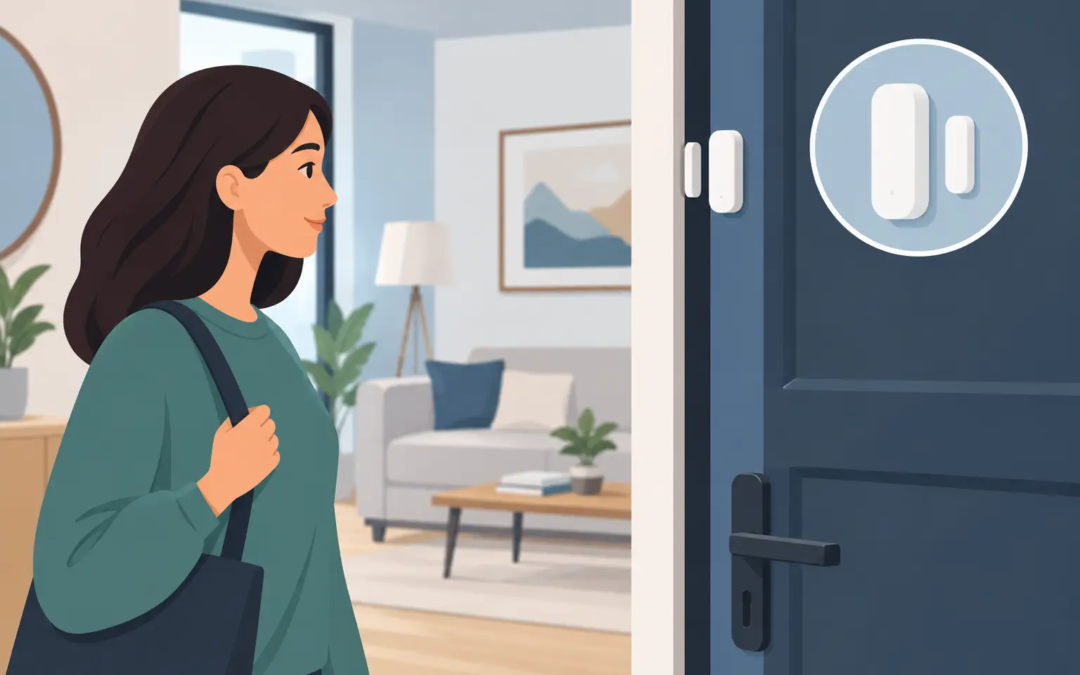
A door sensor can be one of the simplest ways to know when someone enters your apartment, rental home, office suite, or storage area. But can renters install door sensors without risking a lease violation or a security-deposit dispute? Usually, yes – if the equipment is temporary, non-damaging, and used in a way that respects the property owner’s rules.
The key is choosing the right type of sensor and asking for approval when a setup changes the door, frame, wiring, or exterior of the property. Good rental security should add peace of mind without creating a problem when it is time to move out.
Can Renters Install Door Sensors Without Permission?
Many renters can install battery-powered, adhesive door sensors without prior permission because they do not permanently alter the property. These sensors typically use two small pieces: one attaches to the door and the other to the frame. When the door opens and the pieces separate, the system sends an alert or triggers an alarm.
That said, your lease is the first place to look. Some leases restrict any changes to doors, locks, alarm systems, or wall-mounted devices. Others require written approval for security equipment, even if it is removable. A landlord may also have building-wide security rules, especially in apartments, condos, or managed communities.
Do not assume a sensor is allowed just because it is small. A quick email to your property manager can prevent a misunderstanding later. Explain that the device is wireless, battery-operated, and removable, and that it will not change the lock or damage the door.
Rental-Friendly Door Sensor Options
For most renters, wireless contact sensors are the easiest choice. They are affordable, simple to use, and can often be removed when you move. Some work as part of a full security system, while others send alerts through an app or sound a local chime.
Peel-and-stick sensors are convenient, but the adhesive matters. Strong adhesive can pull off paint, finish, or thin veneer when removed. Use the manufacturer’s instructions, avoid placing a sensor on peeling paint or fragile trim, and test removal methods carefully. Keeping the original packaging and extra adhesive tabs can make moving easier.
There are also sensors designed for sliding doors, patio doors, and windows. These may work well in a rental, but placement can be more complicated because the gap between the moving panel and frame is different. Before buying, measure the space and confirm that the sensor will align properly when the door is closed.
If you want monitoring, professional installation, or a system connected to cameras and alarms, ask for landlord approval first. Even wireless systems can require equipment mounted near an entryway, a hub connected to the internet, or a sign visible from outside. Clear communication protects you and helps your landlord understand that you are improving awareness, not modifying the building.
When You Should Get Written Approval
Get written permission before installing a door sensor if the project involves drilling, hardwiring, altering a door or frame, replacing a lock, or attaching equipment to the exterior. The same applies if the system needs access to a shared hallway, common entry, gate, or building electrical system.
Written approval is also smart when you rent a commercial space. A small business may need sensors on a front door, rear exit, stockroom, or receiving entrance. Those sensors can help with after-hours awareness, but commercial leases often have clearer rules about alterations, liability, and system installation.
Permission does not need to be complicated. You can describe the equipment, where it will be placed, how it is powered, and how it will be removed at move-out. If the landlord agrees, save the response with your lease documents.
Protect Your Security Deposit During Installation
The goal is not simply to get the sensor on the door. It is to install it without leaving marks, broken paint, stripped screws, or adhesive residue behind.
Clean the installation area with a dry, non-abrasive cloth before applying adhesive. Dust and grease weaken the bond, which can make the sensor fall off and tempt you to use stronger, riskier tape. Give the adhesive time to set before testing the door repeatedly.
Make sure the sensor and magnet line up as directed. If they are too far apart, the system may show the door as open even when it is closed. If they sit where the door rubs against them, the equipment may break or prevent the door from closing correctly.
When you move out, remove the sensor slowly. Gentle heat from a hair dryer can soften some adhesives, but keep the heat low and avoid prolonged heat on painted surfaces, laminate, or weatherstripping. Never scrape aggressively with a metal blade. If removal could damage the finish, let the property manager know rather than making the problem worse.
Take photos of the door and frame before installation and after removal. This is a practical habit for any renter, especially when a security deposit is involved.
Door Sensors Improve Awareness, Not Physical Security
A door sensor is useful because it tells you that a door has opened. It can alert you when you are away, wake you if an exterior door opens at night, or help you keep track of a child returning home. For a small business, it can provide a notification when a door opens outside expected hours.
But a door sensor does not reinforce a weak door, replace a functioning lock, or stop someone from entering. Think of it as one layer of security. A solid deadbolt, working door frame, good exterior lighting where permitted, and a clear plan for responding to alerts all matter.
For renters, that distinction is helpful. You can improve visibility into what is happening at your door without making permanent structural changes. If you notice that a lock, strike plate, door closer, or frame is damaged, report it to the landlord promptly. Those are property maintenance issues that should not be solved with a sensor alone.
Consider Privacy and Shared Living Arrangements
Sensors are generally less intrusive than cameras because they detect an open or closed door rather than recording people. Still, shared living requires common sense. Roommates should know if a sensor is installed on a shared exterior door, and everyone should understand who receives alerts and has access to the security app.
Do not place sensors or related equipment in areas where people reasonably expect privacy. If you rent a room, use equipment only for the spaces you are entitled to secure. If a door serves multiple tenants or opens into a shared hallway, check your lease and speak with the property manager before installation.
A Simple Checklist Before You Install
Before buying a sensor, review your lease, identify whether the device uses adhesive, screws, or wiring, and check whether the door has enough clearance for the sensor pieces. Choose a system with reliable battery alerts so it does not quietly stop working.
Before installing, take photos, clean the surface, and test the location without removing the adhesive backing. After installation, open and close the door several times and confirm that alerts arrive when expected. Test the system again every few months, particularly after changing batteries or updating your phone.
A rental should still feel like home, and feeling secure should not require a complicated project. A properly chosen door sensor gives renters a practical way to stay informed while respecting the lease, the property, and the people who share the space.