

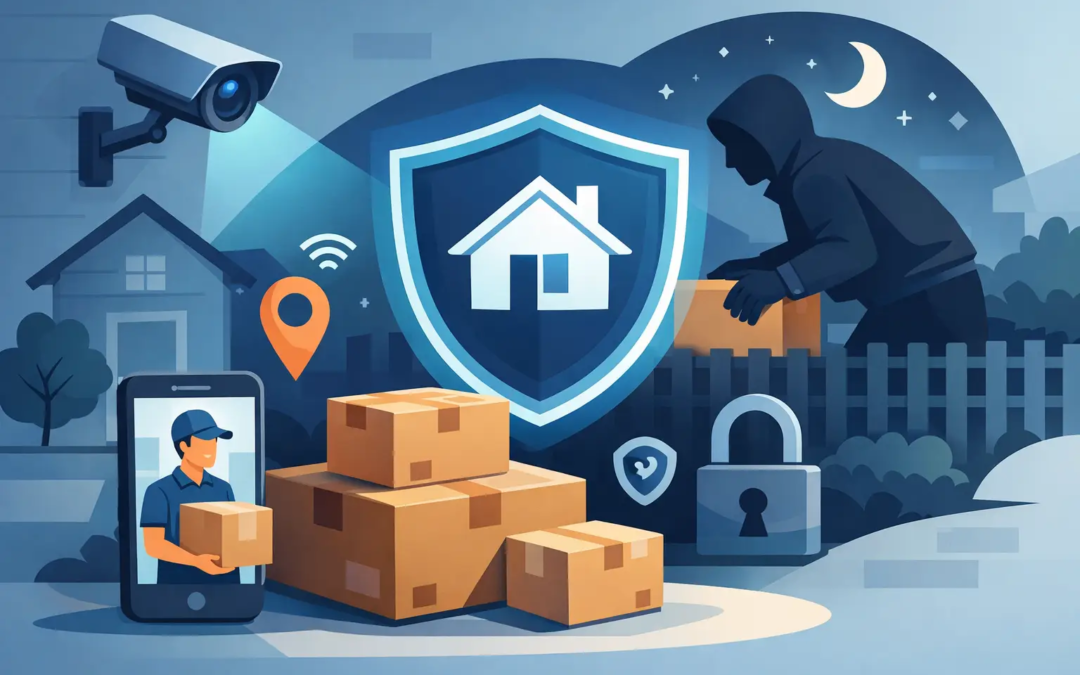
A package left in plain view at the end of a driveway can be gone in minutes. That does not mean you need to turn your home or business into a fortress. Learning how to protect package deliveries starts with a few practical choices: where packages are left, who can see them, and how quickly you know they have arrived.
For homeowners, renters, property managers, and small business owners, the goal is simple. Make deliveries less visible, less accessible, and easier to monitor. The right approach depends on your property, delivery volume, and daily schedule, but most people can make meaningful improvements without adding unnecessary complexity.
Start With the Delivery Location
The front porch is convenient, but it is not always the safest place for a package. If deliveries are visible from the street or sidewalk, they are more likely to attract attention. Look for a location that is protected from view while remaining easy for a driver to find.
A side door, covered entry, gated courtyard, or rear receiving area may be a better option. Some delivery services allow you to add instructions such as “leave behind the planter” or “place at side entrance.” Keep directions short and clear. Complicated notes can be missed, especially when drivers are working quickly.
For apartment residents, a building office, package room, locker, or trusted neighbor may be more secure than a shared hallway. If you manage a rental property, clear delivery signage and a designated drop area can reduce confusion for both drivers and tenants.
Small businesses should avoid having shipments left near a public-facing door after hours. If possible, set deliveries for staffed hours or designate a receiving entrance away from customer traffic. A marked, covered delivery area can make the process easier while limiting public access.
Use Delivery Alerts and Timing to Your Advantage
Most major carriers offer tracking updates, delivery notifications, or photo confirmation. Turn those alerts on for important orders. A notification does not prevent theft on its own, but it gives you the chance to bring a package inside quickly or ask someone nearby to do it for you.
This is especially useful if you work away from home, manage multiple properties, or receive frequent business shipments. If a package is expected during a long absence, consider changing the delivery date, requesting a hold, or selecting pickup at an approved location. A package cannot be taken from your porch if it never reaches the porch.
Do not rely only on estimated delivery windows. They can change. For higher-value purchases, check the tracking status the morning of delivery and make a plan before the package arrives.
Make Packages Harder to See and Reach
Visibility is one of the biggest factors in package theft. A package sitting in open view creates an easy opportunity. Simple physical changes around an entry can make a difference.
A porch privacy screen, tall planters, a bench with storage, or a designated package box can help conceal deliveries from the street. The best option is one that still gives the driver a clear place to leave the item. Avoid creating a hidden spot that is difficult to access or likely to cause packages to be left elsewhere.
If you use a package box, choose one that is weather-resistant, secured to the ground or structure when possible, and large enough for the deliveries you usually receive. A lightweight box that can be carried away is not much of a deterrent. For renters, a portable locking container may be a better fit, provided your landlord and local property rules allow it.
Gates can also help, but only if delivery drivers can use them without confusion. A locked gate may lead to missed deliveries or packages being left outside the property. In some cases, a visible package box just inside the gate is a more practical solution than requiring every driver to gain entry.
Add Light Where It Helps Most
Good lighting makes a delivery area less appealing to someone who wants to remain unnoticed. Motion-activated lights are a practical choice for porches, side entrances, walkways, and business receiving areas. They use less energy than leaving lights on all night and draw attention when someone approaches.
Place lights so they cover the path to the delivery location, not just the front door. A bright light above the door may leave the driveway, gate, or side walkway in shadow. Check the area after dark to see what is actually illuminated.
Lighting works best as part of a layered approach. It can discourage casual theft, but it does not replace secure delivery instructions, prompt pickup, or a camera when monitoring is needed.
Use Cameras for Awareness, Not Complexity
A visible security camera near the delivery area can discourage some theft and help you see when a package arrives. For many homes and small businesses, a simple camera with motion alerts and a clear view of the entrance is enough.
Focus on placement before features. A camera should capture faces and the path someone uses to approach the package, rather than pointing too high at the ground below. Test the view during the day and at night. Tree branches, glare, parked vehicles, and poor lighting can make footage less useful than expected.
For a front entry, one camera may be enough. A larger property may need coverage at the driveway, side gate, or receiving door as well. There is no need to buy more equipment than the property requires. The goal is dependable awareness of the areas where packages are actually delivered.
If you use a camera, make sure notifications are set up in a way you will notice. Too many alerts can lead to ignored alerts. Adjust motion zones so passing traffic and moving trees do not trigger constant notifications.
Choose Safer Options for High-Value Orders
Not every shipment needs the same level of protection. A low-cost household item may be fine at the front door for a few hours. Electronics, tools, medication, business inventory, and items that are difficult to replace deserve more planning.
For higher-value packages, request a signature when available, schedule delivery for a day someone will be present, or send the order to a secure pickup location. If the retailer offers delivery instructions, use them. It is also wise to avoid placing expensive orders just before a vacation, holiday closure, or period when your business will be unattended.
Business owners should establish a simple receiving process. Decide who can accept deliveries, where packages should be placed, and how incoming items are recorded. This prevents a package from being left in an open area simply because staff members assume someone else is handling it.
Build a Plan With Neighbors, Tenants, or Staff
Package security is often easier when people communicate. A trusted neighbor may be willing to hold a package until you get home, and you can return the favor. In apartment buildings, residents can report unfamiliar people lingering around package areas without making assumptions or creating conflict.
Property managers can help by keeping common delivery spaces clean, well-lit, and clearly marked. Overflow packages left in hallways or unsecured lobbies create problems for everyone. A simple notice explaining where deliveries belong can prevent many avoidable mistakes.
For small businesses, let employees know not to leave incoming shipments outside after receiving them. A package can be delivered safely and still be lost later if it sits beside a back door for the rest of the day.
Know What to Do if a Package Goes Missing
If a package is missing, check the tracking details first. It may have been delivered to a side entrance, a neighbor, a leasing office, or another location listed in the delivery photo. Ask nearby neighbors and review available camera footage promptly, since details are easier to verify the same day.
Then contact the retailer and carrier with the order number and delivery information. If theft is confirmed, file a police report when appropriate, particularly for expensive items or repeated incidents. Documentation can support a claim and may help identify a pattern in your neighborhood or commercial area.
Repeated losses are a sign to change the delivery setup, not just replace the missing item. A better drop location, faster alerts, improved lighting, or a properly placed camera can address the problem without making security difficult to manage.
The most effective package protection is usually a combination of small, consistent habits. Give drivers a clear place to leave orders, keep that area less visible, and make sure you can act when a delivery arrives. A few simple adjustments can make your property a much less convenient target.